

Why Every Home Should Consider a Water Softener in Vancouver

Why Every Home Should Consider a Water Softener in Vancouver August 13, 2025 admin If you live in Vancouver, you may already be familiar with the challenges that hard water can bring to your home. From stubborn soap scum in the shower to mineral deposits in your pipes and appliances, hard water can quietly cause long-term damage and unnecessary expenses. That’s where investing in a Water Softener System in Vancouver can make a real difference. Whether you’re looking to protect your plumbing, improve your water quality, or simply enjoy a better shower, here’s why every home should consider Water Softener Installation in Vancouver. 1. Protect Your Plumbing System Hard water contains high levels of calcium and magnesium, which can build up inside your pipes over time. This mineral buildup—often called scale—restricts water flow, increases water pressure, and eventually leads to costly repairs. By installing a water softener system in Vancouver, you can significantly reduce scale formation, extend the life of your plumbing, and avoid expensive service calls. A trusted Vancouver plumber can assess your current water quality and recommend the best system for your needs. 2. Extend the Life of Appliances Your dishwasher, washing machine, and water heater all suffer when exposed to hard water. Mineral buildup can reduce efficiency, force appliances to work harder, and lead to early breakdowns. By choosing water softener installation in Vancouver, you’ll protect these valuable investments, allowing them to operate at peak performance for years. In fact, homes with soft water often notice lower maintenance costs and fewer appliance replacements. 3. Save Money on Energy Bills A water heater that’s clogged with mineral deposits works harder to heat water, which means higher energy bills. Soft water helps your water heater run more efficiently, reducing energy consumption and lowering monthly costs. Over time, the savings from improved efficiency can help offset the cost of your water softener system. 4. Improve Cleaning Results If you’ve noticed spots on your dishes, soap scum on your shower doors, or laundry that doesn’t feel as soft as it should, hard water is likely to blame. Soft water allows soap and detergents to lather better and rinse away completely, leaving your dishes sparkling, your clothes softer, and your bathroom cleaner. With a Vancouver plumber installing your system, you’ll immediately see the difference in everyday cleaning tasks. 5. Better for Skin and Hair Hard water can dry out your skin and make your hair feel dull and brittle. By removing the excess minerals, a water softener system helps keep your skin hydrated and your hair smooth. Many homeowners in Vancouver notice a big improvement in comfort and appearance after switching to soft water. 6. Eco-Friendly Benefits Soft water requires less soap, shampoo, and detergent, meaning you’ll use fewer cleaning products over time. This not only saves you money but also reduces the amount of chemicals going down the drain and into the environment. If you’re looking to make your household more eco-conscious, water softener installation in Vancouver is a smart step. 7. Boost Home Value Upgrading your home’s water system is an attractive selling point for potential buyers. A professionally installed water softener system in Vancouver shows that you’ve invested in maintaining your home and can help make your property more appealing in the competitive real estate market. Choosing the Right Water Softener for Your Home Not all water softener systems are created equal. Factors like your household size, water usage, and water hardness levels all play a role in selecting the right unit. Partnering with a knowledgeable Vancouver plumber ensures you get the right system for your specific needs. They can also provide expert installation, ensuring the unit works efficiently from day one. Final Thoughts Hard water can be more than just a nuisance—it can cost you money, reduce your comfort, and damage your home over time. By investing in water softener installation in Vancouver, you can protect your plumbing, extend the life of your appliances, improve water quality, and even save on energy bills. For the best results, work with an experienced Vancouver plumber who can assess your water quality, recommend the ideal water softener system in Vancouver, and install it professionally. Your home, your wallet, and your comfort will thank you. How often should a water softener system be serviced? Most water softeners should be serviced once a year to ensure they’re working efficiently and to check for any issues. Will a water softener improve the taste of my water? While its main job is to remove hardness minerals, many homeowners notice that soft water tastes cleaner and smoother. Previous Post
Water Heater Maintenance Tips to Save Money on Energy Bills

Water Heater Maintenance Tips to Save Money on Energy Bills August 13, 2025 admin Your water heater works quietly in the background, delivering hot showers, warm water for laundry, and comfort during Portland’s chilly months. But without proper maintenance, it can become one of the biggest energy drains in your home. By taking care of your water heater, you can extend its lifespan, improve efficiency, and save on your monthly utility bills. Whether you already have a unit or are considering a new water heater installation in Portland, these tips will help you get the most out of your investment. 1. Flush Your Water Heater Annually Over time, sediment from Portland’s water supply can build up at the bottom of your tank. This layer forces your water heater to work harder to heat the water, increasing energy costs and putting stress on the unit. Tip: Once a year, drain a few gallons from the tank or flush it completely to remove sediment buildup. If you’re not comfortable doing this yourself, a professional plumber in Portland can perform the service quickly and safely. 2. Check the Temperature Setting Many water heaters are set at 140°F by default, but this is often hotter than necessary for most households. Lowering the temperature to 120°F not only reduces your energy usage but also helps prevent scalding accidents. Pro Tip: Adjusting your thermostat can save up to 5% on your water heating costs for every 10 degrees lowered. 3. Inspect and Replace the Anode Rod The anode rod is a metal component inside your water heater that attracts corrosive elements in the water, protecting the tank from rusting. If it deteriorates completely, the tank can corrode, leading to leaks and costly replacements. Recommendation: Have your anode rod inspected every 2–3 years. A plumber in Portland can replace it if necessary—far cheaper than installing a whole new unit. 4. Insulate Your Tank and Pipes If you have a traditional water heater in Portland, insulating it can help reduce standby heat loss. This means your water heater doesn’t have to work as hard to keep water hot when not in use. Action Step: Use a water heater blanket for the tank and foam sleeves for the first few feet of hot water pipes. This small investment can noticeably cut energy costs. 5. Test the Pressure Relief Valve The pressure relief valve is a safety feature that prevents excessive pressure from building inside your tank. If it’s faulty, your system may operate inefficiently—or dangerously. To test it, carefully lift the lever and let some water flow out. If water continues running after you release it, or if nothing happens at all, contact a Portland plumber to have it replaced immediately. 6. Schedule Professional Maintenance While DIY maintenance can go a long way, having your system inspected by a professional ensures every part of your water heater is working at peak performance. Water heater maintenance in Portland often includes checking for leaks, testing the thermostat, cleaning components, and ensuring your system meets local safety codes. Annual service visits are especially important for older units. 7. Upgrade to a More Efficient Unit If your water heater is over 10 years old, you might be spending more on energy than you realize. Modern models—especially tankless water heaters—are far more efficient and take up less space. Water heater installation in Portland is a smart investment when repair costs are piling up or your system is no longer meeting your household needs. A qualified plumber can help you choose the right size and style for your home. The Bottom Line Water heater maintenance is more than just preventing breakdowns—it’s about improving energy efficiency, lowering monthly bills, and ensuring your family always has reliable hot water. With a few simple steps, such as flushing the tank, adjusting the temperature, and scheduling regular inspections, you can extend the life of your unit and keep costs under control. If you’re looking for expert water heater maintenance in Portland or are ready for a new water heater installation in Portland, our team is here to help. As an experienced plumber in Portland, we provide fast, reliable service to keep your home running smoothly. Contact us today to schedule your next water heater inspection and start saving on your energy bills. How often should I flush my water heater? You should flush your water heater at least once a year to remove sediment buildup and maintain efficiency. When should I replace my water heater? If your unit is over 10 years old or requires frequent repairs, it’s likely time to consider a replacement for better efficiency and reliability. Previous PostNext Post
Gas vs. Electric Water Heaters: Which One is Right for Your home?
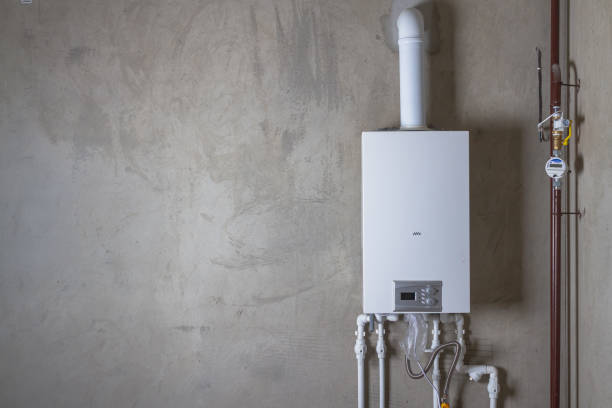
Gas vs. Electric Water Heaters: Which One is Right for Your home? August 6, 2025 admin When it’s time to replace or install a new water heater in Vancouver, one of the biggest decisions homeowners face is choosing between a gas or electric model. Both types have their advantages. The right choice depends on your home’s setup, budget, and energy goals. If you’re wondering how to compare gas and electric water heaters in Vancouver, this guide breaks down the key differences to help you make an informed decision. Understanding the Basics Gas water heaters in Vancouver use natural gas or propane to heat water, while electric water heaters rely on electrical heating elements. Each has a different impact on installation, operating cost, and efficiency. Electric Water Heaters in Vancouver, WA Pros: Lower upfront cost: Electric models are typically less expensive to purchase and install. Wider availability: Most homes are already equipped with the necessary electrical systems. Safer operation: No risk of gas leaks or carbon monoxide exposure. Compact design: Ideal for smaller homes or areas with limited ventilation. Cons: Slower heating time: Electric units usually take longer to heat water compared to gas. Higher energy costs: Electricity is often more expensive than natural gas in the Vancouver area. Affected by power outages: No hot water if your power goes out. Gas Water Heaters in Vancouver Pros: Faster recovery rate: Heats water more quickly, ideal for large households with high demand. Lower long-term operating cost: Natural gas tends to be more affordable than electricity in Vancouver. Works during power outages: Gas water heaters can continue to operate even when the power is down. Cons: Higher initial cost: Installation may require ventilation and a gas line, which can increase expenses. Regular maintenance: Gas models require occasional servicing to ensure safety and efficiency. Potential safety risks: Gas leaks or improper ventilation can be hazardous if not maintained properly. Electric vs Gas Water Heater Cost in Vancouver, WA When comparing the electric vs gas water heater cost in Vancouver, WA, it’s important to factor in both short-term and long-term expenses. Over time, gas water heaters tend to be cheaper to run due to lower fuel prices especially if your home is already connected to natural gas. On the other hand, electric models may cost more monthly but offer easier installation and lower maintenance in some cases. Energy Efficient Water Heaters in Vancouver If your main priority is energy savings, it’s worth looking into energy efficient water heaters in Vancouver. Both gas and electric models are available in high-efficiency versions, including ENERGY STAR® certified units. High-efficiency electric heaters include heat pump (hybrid) water heaters, which use significantly less electricity. Condensing gas heaters recycle heat from exhaust gases to improve efficiency. Though these models may cost more upfront, they can greatly reduce your energy bills over time and may qualify for utility rebates or incentives in the Vancouver area. Choosing a Water Heater in Vancouver, WA When choosing a water heater in Vancouver, WA, consider these factors: Energy source availability (do you have natural gas?) Household size and hot water usage Budget for installation and long-term operation Home layout (space for a tank or need for tankless) Environmental impact and energy efficiency Each home is unique, so what works best for one household may not be ideal for another. Always compare product specifications and consult with a licensed plumber to ensure the system you select fits your needs. Water Heater Installation in Vancouver, WA Professional water heater installation in Vancouver, WA ensures safety, code compliance, and reliable performance. Proper installation is critical, especially for gas units that require venting and combustion safety features. Final Thoughts When it comes to comfort, efficiency, and long-term value, both gas and electric water heaters have their strengths. By taking the time to compare gas and electric water heaters in Vancouver, you can select the system that aligns with your home’s energy source, budget, and hot water needs. Whichever you choose, regular maintenance and proper installation will help extend the life of your investment. Which is better in Vancouver—gas or electric water heaters? Both are efficient. Gas heats faster, but electric models are easier to install. Choose based on your home’s setup. Who should I call for water heater installation in Vancouver, WA? Contact a licensed plumber offering expert water heater installation in Vancouver, WA for safe and reliable service. Previous Post
Why Is My Water Heater Making Strange Noises?
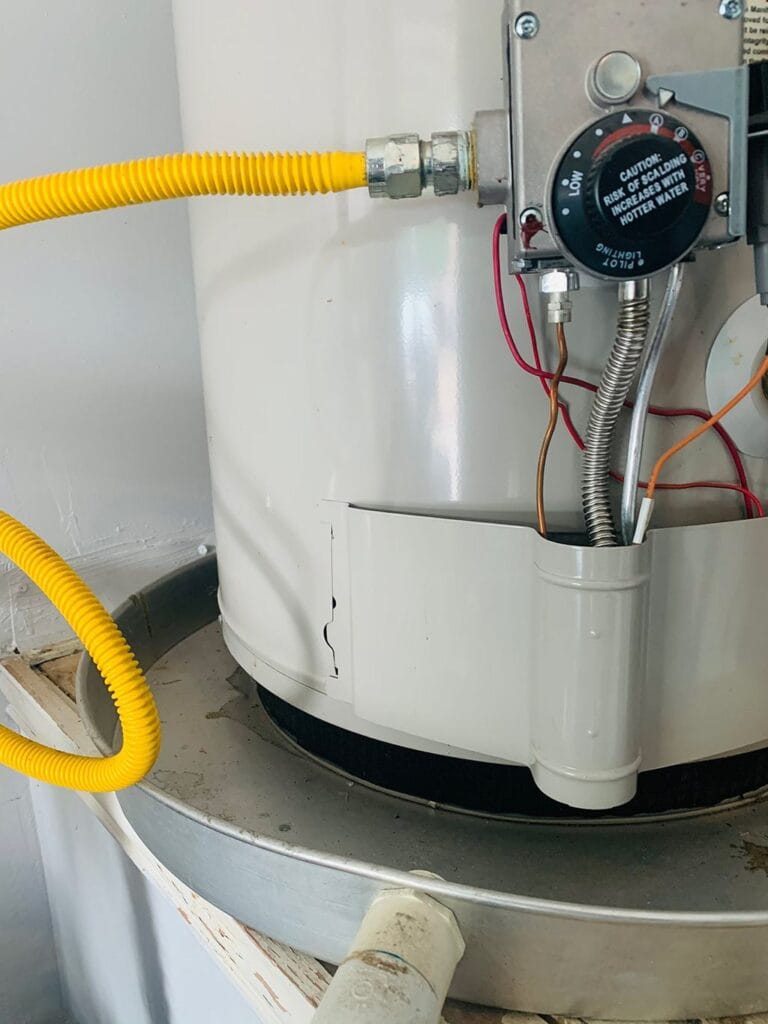
Why Is My Water Heater Making Strange Noises? July 24, 2025 Andy Davis When your water heater makes odd sounds, it can worry you. These noises indicate that something might be wrong. Not all noises cause concern, but some might suggest your water heater needs repair in Portland. Seeing what’s wrong early allows you to decide if Water Heater Troubleshooting in Portland or Water Heater Replacement in Portland would work for you. In this article, we’ll review the usual causes of these noises and suggest solutions. 1. Sediment Buildup Water heater noise often happens when there’s too much sediment in the system. With age, calcium and magnesium minerals in the waterfall to the bottom of the swimming pool. The water heating in the water heater makes the trapped gases in sediment pop or rumble. Building up untreated sediment can slow down the equipment and possibly harm it. Regular maintenance helps avoid all these problems. In Portland, one of the first things to try when dealing with water heater problems is draining away the sediment to get it working again. 2. Loose Heating Elements If the heating elements in your water heater aren’t tightly in place, you may hear a buzzing or humming sound. Usually, electric water heaters contain a mounting bracket that secures the elements. A loose element starts to vibrate when it is heating the water. The problem can be solved with water heater repair in Portland. A problem with a squealing furnace can be solved by adding thread to the heating element or changing damaged parts. If you overlook the signs, at times, you may need to buy a new water heater for your home in Portland. 3. Faulty Pressure Relief Valve An improper pressure relief valve may cause a noticeable whining or squealing sound. The valve helps control tank pressure; if it stops working correctly, it can emit noises. A valve that is stuck or has broken needs to be replaced. Sometimes, you have to pull the lever on the valve to try resetting it. If you have tried this and it doesn’t help, you should call a Portland professional to replace the valve for safe operation. 4. Thermal Expansion Water becomes larger as it gets warmer. From time to time, the thermal expansion of your water heater can cause the connected pipes to creak or groan. The sounds are usually nothing to be concerned about, though they may be annoying. Usually, these noises appear because the plumbing system doesn’t have enough space for the water to expand. Adding an expansion tank can help you lower thermal expansion noises. This tank will take on the extra pressure, protecting your plumbing and water heater and minimizing the chances of you needing to troubleshoot Portland water heaters. 5. Sediment Flushing Issues If you have not drained your water heater recently, particles may settle inside and create a popping or crackling sound. When the heating element tries to heat the water, the sediment creates problems. Usually, the problem can be solved by flushing the toilet again. Annually flushing your water heater will keep it working correctly and reduce noise. If you’re unclear about fixing the problem, calling a professional can ensure your water heater is fixed correctly. 6. Mineral Buildup on Heating Elements The heating elements in a kettle can become covered with minerals from hard water as time goes by. Due to this, the heating element loses some of its power and may become too hot. You will notice a popping or crackling scream as the heating element works. Noise will go away if the heating elements are either cleaned or changed. Severe mineral buildup can cause the components to rust; if so, a new replacement may be the answer. To renew your heater’s functionality in such cases, water heater repair in Portland is a good alternative. Tank Corrosion If you don’t take good care of your tank, the interior can corrode. If metal is corroding, it might produce a cracking or popping sound due to metal expanding and contracting. If you start to hear a metallic noise from your tank, it can indicate corrosion is happening. This problem is serious since a damaged tank may cause dangerous leaks or total failure. If rusting is heavy, it might be necessary to replace the water heater so accidents or costly water damage are prevented. The Bottom Line Sediment buildup or corrosion are some of the reasons why your water heater makes noise. Some problems with your water heater can be solved quickly in Portland, but others call for longer, more serious repair work. Once the noises stay constant or start sounding louder, you should handle the problem immediately. Not taking care of these noises may result in bigger troubles later. Maintaining your water heater will function quietly and efficiently for several years, whether you perform a basic repair or a big replacement. Previous PostNext Post
Signs You May Have a Sewer Line Problem and What to Do About It

Signs You May Have a Sewer Line Problem and What to Do About It March 28, 2025 admin Sewer line repair in Vancouver are always a misery for any homeowner facing sewer line problems in Vancouver. Such problems may cause damage that requires repair and also inconvenience your day-to-day activities. If you fail to identify the signs of sewer issues in Vancouver on time, you may have a big problem, and it will cost you a lot of money to fix it. This article will discuss typical symptoms of a clogged sewer line and what to do when facing it. It is essential to identify these signs early to reduce the impact and additional losses to the house and its structures. Slow Drains and Backups A few things normally indicate that the sewer line is faulty, and one of these is slow drainage. If you have witnessed different outlets in your home draining slowly, more than usual, then there is some obstruction in your sewer line. This may be due to roots, debris accumulation, or rusting of metal components. Whenever backups combine slow draweth, especially in the lower regions or the basement, it becomes clear evidence that something is wrong. Foul Odors Another indication of sewer line issues in Vancouver is bad smells from the drains and the yard. If a foul smell arises regularly in your home, specifically that of sewage, then you could have a cracked or blocked sewer line. A crack in the line might lead to the leakage of raw sewage, allowing a foul smell to penetrate your house or compound. This may prompt you to seek the services of a sewer line inspection in Vancouver to determine the cause of the problem. Lawn Damage or Puddling Water You can still identify sewer line issues even if you do not detect any external symptoms of yard injuries. For instance, there could be thick grass growth in some parts of your property, or maybe you observe that when it rains, water forms a pool in some specific areas, and your sewer line might leak. It also results in some areas around your property becoming lumpy or marshy when you attempt to control weeds. Any of these signs should encourage you to seek the services of another professional who offers a sewer line repair in Vancouver. Gurgling Noises Gurgling sounds from the drains or the toilets usually indicate that the sewer line has a problem. These sounds are produced when air fills the sewer pipes because of obstructions. The pressure buildup leads to the release of the air through the pipes, making a whistling sound. If you observe this frequently, then it is high time you consider getting professional sewer line repair in Vancouver. What to Do About Sewer Line Problems? If you have noticed any of these signs of sewer issues in Vancouver, we have to act as soon as possible. Here’s what you should do: Get a Sewer Line Inspection in Vancouver: The first is to make an appointment for a sewer line inspection. A professional plumber in Vancouver will diagnose the problem using a camera on your sewer line to determine where and what is wrong. Choose Professional Sewer Line Repair: When the problem is established, you may require expert sewer line repair services in Vancouver. This could range from simple unclogging of sewers, repair of faulty pipes, or working on the whole sewer line replacement. Take preventive measures: After some repair, it is advisable to ensure that the sewer line does not have to be repaired again soon. Some of them include inspections, management of tree roots, and prevention of rinsing off the wrong products down the drain. Conclusion Sewer line issues are normally bothersome and can cost a lot of money in Vancouver. It is important to note these elements to prevent more severe sewer problems in Vancouver areas. This means one should seek help when there is slow flow, stink, damage in the lawn, and constant blockage. When it comes to sewer line solutions in Vancouver, you need to stay proactive to avoid further problems with your home’s plumbing. Do not neglect any issue that involves the sewer line because, if not fixed on time, it can cause a lot of trouble to the inhabitants of your home. What are the common signs of a sewer line problem? Slow drains, foul odors, gurgling sounds, water backups, and lush patches of grass near the sewer line are common indicators. How can I confirm if my sewer line is clogged or damaged? A professional plumber can perform a camera inspection to identify blockages, cracks, or other issues in the sewer line. Previous Post
Hydro Jetting vs. Snaking: Which Drain Cleaning Method Is Best?
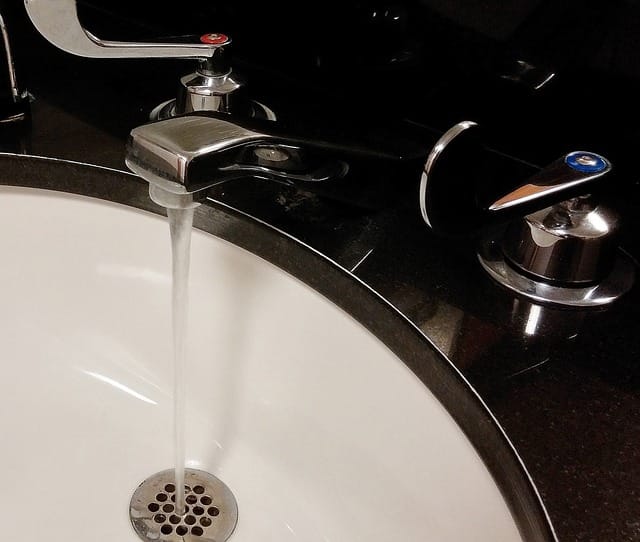
Hydro Jetting vs. Snaking: Which Drain Cleaning Method Is Best? March 28, 2025 admin When undertaking drain cleaning, it is important to select the right cleaning approach that will effectively fix the clogging problem. Two general methods of unblocking the drain are Hydro Jetting in Portland and snaking drains in Portland. Even though both goals are to correct the drainage, different methods are used. In this particular blog, these two drain cleaning methods in Portland will be described, and the particular best one will be recommended. To learn more about the best drain cleaning in Portland and which method is superior. What is Hydro Jetting? Hydro Jetting is a technique used to clean the pipelines using high-pressure water in Portland. This method is particularly useful in removing foul substances such as grease, hair, and minerals. The powerful stream of water is used to clean every inch of the pipe, which makes the procedure efficient. Hydro Jetting in Portland applies to homes and business premises that often experience drain problems. Advantages of Hydro Jetting: Thorough Cleaning: The high pressure of water also guarantees that even the most stubborn blockages will be cleared out. Long-Term Solution: Hydro Jetting not only empties the pipe but also cleans the inner walls from substances that may lead to pipe blockage in the future. Environmentally friendly: This method requires only water and no other chemicals, making it friendly to the environment. Hydro jetting in Portland should only be done by professionals because line blasts can damage pipes, especially old ones. What is Pipe Snaking in Portland? It also refers to the mechanical process involving using a mechanical auger or a long cable to cut through the clog or pull it out of the drain. The tool is placed into the drain, and the rotating cable either breaks the clogs or hooks it for easy removal. Snaking is considered one of the most common ways to clear minor clogs, especially for homeowners who like to deal with the problem on their own. Advantages of Snaking Drains: Quick and Simple: Snaking tends to be a faster method than hydro jetting, which can be done without much preparation. Affordable: Compared to hydro-jetting, pipe snaking is comparatively cheaper and suitable for small-scale projects. Less Disruptive: It does not require as much water or equipment setup as hydro-jetting, making it a less invasive solution. However, snaking has its limitations. Though it is good for solving minor problems of clogged drainage systems, it cannot clean the pipes or handle persistent drain issues. Hydro Jetting vs. Snaking: Which Is Best? Hydro Jetting and snaking the clogged drains in Portland are two different methods of clearing blockages in the plumbing system, and although both can be effective, there is a notable difference between them. Hydro Jetting is Best For: Multiple Clogs/Serious Clogs: Hydro Jetting is the best way to go if you frequently experience clogs or if you have a serious clog. Full Pipe Cleaning: Hydro jetting removes the clog and other substances such as grease, sand, sludge, and even rust accumulated on the pipe walls. Long-term benefit: Hydro Jetting helps avoid potential future blockage since it entails thoroughly cleaning the pipes. Snaking is Best For: Minor Clogs: Snaking is recommended to break the minor clogs, especially in the specific sections of the drain and pipe systems. Cost Efficiency: Snaking is cheap, and if the problem is not serious, it will suffice to correct it. Quick Fix: Sometimes, if one wants a quick fix in emergencies, then snaking might work best. If you are searching for a professional drain cleaning in Portland that offers a long-term remedy, hydro jetting should be considered. However, snaking can be a very efficient way of dealing with the problem of clogs that are not very persistent. Selecting the Right Approach for Cleaning the Drain When approaching hydro jetting in Portland versus snaking drains, it’s important to establish what type of clog you are dealing with and the state of your pipes and pockets. If you need to clean your drain in Portland, it is recommended that you call professional people who can estimate the condition and help you choose the proper method. Conclusion In conclusion, hydro jetting and snaking drains have merits that make them essential drain-cleaning methods in Portland. Hydro Jetting should be used for long-term blockages and snaking should be used for small blockages. When it comes to drain cleaning in Portland, one should first understand what kind of clog is present and then decide with the help of a specialist what should be done with it. In conclusion, taking some precautions will require you to spend some dollars to avoid spending a lot of money to repair the drainage system. What is the main difference between hydro jetting and snaking? Hydro jetting uses high-pressure water to clear blockages, while snaking uses a metal auger to physically break through clogs. When should I choose hydro jetting? Hydro jetting is best for severe blockages, grease buildup, and recurring clogs in larger pipes. Previous Post
The Dangers of Ignoring a Slow Drain & How to Fix It
The Dangers of Ignoring a Slow Drain & How to Fix It March 13, 2025 admin A slow drain can be very annoying and minor, but it could also be a sign of a more serious plumbing issue. Slow drain issues in Portland are experienced in most households, and if left unattended, they can potentially cause harm. In this post, we will analyze the risks of a slow drain and delve into how to deal with this problem before it becomes a big nuisance. It is essential to know the risks to minimize them and prevent significant damages that may be costly to the plumbing system. The Dangers of Slow Drains While a slow drain may not seem bothersome at first sight, it causes more significant problems in the long run. Here’s why it is unadvisable not to do so: Clogging and Blockages The slow water processing through the drain system is caused mainly by the partial blockage of the pipe. These barriers may take time to worsen and form a complete blockage through which water will not pass at all. If it is not helped, it can result in a serious problem requiring drain repair in Portland or even pipe replacement. Water Damage When drains are slow, there are instances when the water will not drain as it should. This makes it easy for water to find its way back into sinks, bathtubs, and showers, among other areas fitted with these appliances. This may cause water to seep into different areas, which will cause water damage to the floor, walls, and ceilings. The relentless water can cause molding and more damage that is costly to repair. Bad Odors These smells are usually detected in case of a slow drain, which is considered rather discomforting. This is often attributed to plaque buildup of foods, hair, and other substances within the pipes. The oxygen is observed to remove all the dust particles that can grow into bacteria, making your home smell bad. It doesn’t just slow down your daily activities. It could also indicate underlying problems that require plumbing solutions for slow drains in Portland. Health Hazards Slow draining leads to water on the surface, which kills molds, mildew, and bacteria. Such problems can cause severe health concerns to you and your family, especially those with respiratory diseases or allergies. Because of this, it is essential to address issues regarding slow drains for the home’s overall health. How to Fix Slow Drains? These risks can be avoided if slow drains are dealt with early enough. Here’s how you can fix them: Use a Plunger As evident, a plunger is one of the most effective tools that can be used to correct a slow drain. They put pressure on the pipes to force debris that may have stuck inside them to be washed away. Ensure you use the right plunger type, especially if it’s a blocked sink or toilet. Try a Drain Snake A drain snake is a highly flexible pipe that can be advanced deep into the pipe system to dislodge blockages. This tool is more helpful in dealing with clogs that cannot easily be removed using a simple plunger. If you are reluctant to use a drain snake, you should seek the services of a professional to fixng slow drains in Portland. Clean Your Drains Regularly You should, therefore, ensure you clear your drains often to avoid this problem. Unclog the drains using baking soda and vinegar, and later, use hot water to clear any residues. This can clear your pipes and may help reduce the occurrence of slow draining in the future. Conclusion Never think that slow drain problems in Portland are something that do not warrant attention. Some of the issues that may arise from ignoring slow drains include water damage, health complications, or very high water bills in the house. If the problem is not addressed in time and corrected by proper maintenance or calling a drainage specialist in Portland, these dangers will likely occur. Don’t let your drains cause significant issues in the future – Act now to solve the simple problem today. Why should I be concerned about a slow drain? A slow drain can indicate a partial clog, buildup of debris, or even deeper plumbing issues. Ignoring it can lead to complete blockages, pipe damage, bad odors, and potential water damage. Could a slow drain indicate a bigger plumbing issue? Yes. Persistent slow drains can signal sewer line issues, tree root intrusion, or pipe corrosion. If multiple drains are slow at once, professional inspection is recommended. Previous Post
How to Prevent Clogged Drains in the Kitchen & Bathroom?

How to Prevent Clogged Drains in the Kitchen & Bathroom March 4, 2025 admin Drain clogging is among the most frequently reported plumbing problems in almost every household. This kind of hassle affects most of us in our kitchen or even the bathroom. By taking some precautions, you are in a good position to avoid requesting expensive repairs for pipe problems. In this article, you will learn the best ways to prevent clogged drains in Portland and ensure the health of the kitchen and bathroom drains. Kitchen Drain Cleaning Tips Among all the places in the household, the kitchen is one of those that use the drain most frequently. Meals, cooking oils, leftovers, and soapy water mainly make clogs. Here is how you can avoid common problems with the kitchen drain: Avoid Pouring Grease Down the Drain It has been seen that one of the common reasons why the kitchen sink gets blocked is by pouring cooking grease into the sink. It crystallizes upon cooling, so the more time the grease spends in pipes, the more thick layers of the solid substance form. Always dispose of grease in the trash. Use a Sink Strainer A sink strainer or drain guard is a device that is used in a kitchen sink to help trap food particles that should not be chucked into the drain pipe. This simple kitchen tool can prevent costly plumbing repairs in Portland. Run Hot Water Regularly After each wash, rinse the dishes with hot water for a few seconds and then pour the water down the drain. This assists in preventing the accumulation of grease and soap in the pipes and, therefore, helps eliminate build-up. Clean the Drain Stoppers When planning a kitchen sink, ensure that flow drain stoppers are easily accessible and can sometimes trap food particles. Clean them frequently so that nothing obstructs the water flow through the showers. These methods of kitchen drain cleaning in Portland will help to reduce instances of clogged drains in the kitchen to a great extent. Bathroom Drain Solutions The bathroom drains are another area of concern due to the high probability of blockages. The most common ingredients found in the composition include hair, soap, toothpaste, and dirt. Below are steps you need to take to ensure your bathroom drains remain clean: Use a Hair Catcher Hair is considered the most common cause of blockage in bathroom drains. It is possible to prevent this by fitting a hair catcher or a mesh filter over the drain to trap hair that may fall. Rinse with Hot Water Similar to the kitchen sink, rinsing the bathroom drain with hot water weekly gets rid of the soap scum and other materials that may hinder the free flow of water. Clean the P-trap Regularly The P-trap, typically located under the sink or shower, is one area where debris likes to gather. This usually accumulates over time and, therefore, requires cleaning after such intervals to avoid building up of blockage. Use Mild Drain Cleaners Do not use acidic substances that may harm the pipes in your home. For this reason, it is wise to avoid chemical products and use items like baking soda and vinegar to clean blocked drains. These fundamental steps are to be followed for homeowners who seek to maintain clean and clear bathroom drain solutions in Portland. Conclusion Maintenance must be done regularly to avoid clogged drains in the kitchen and bathroom, and one should adopt certain practices. Following the precautionary measures will ensure that your drains are in good condition, necessitating less frequent plumbing repairs. You should also remember that we offer not only kitchen drain cleaning services in Portland but also all the required bathroom drain solutions. The points that directly guard against clogged drain prevention in Portland include maintenance, disposal, and the initiative of drain guards. Maintain your drains and your home’s plumbing, and follow the listed simple tips to guarantee this. What are the most common causes of clogged drains in the kitchen? Clogged kitchen drains are often caused by grease, food scraps, coffee grounds, and soap scum. Avoid pouring fats and oils down the drain and use a sink strainer to catch debris. How can I prevent my bathroom sink and shower drains from clogging? Hair, soap residue, and toothpaste buildup are the main culprits. Use a drain cover to catch hair, flush the drain with hot water weekly, and clean it with a mixture of baking soda and vinegar. Previous Post
Common Causes of Drain Clogs in Your Kitchen and How to Prevent Them
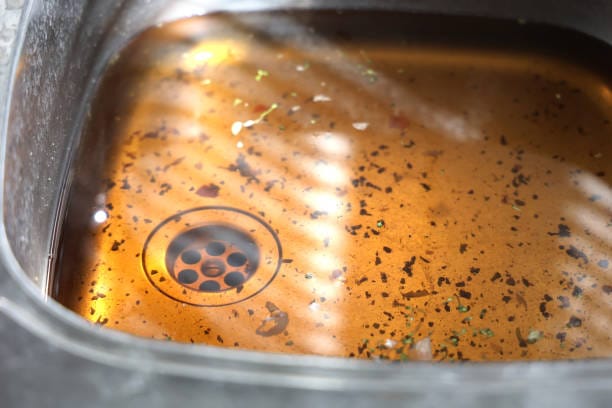
Common Causes of Drain Clogs in Your Kitchen and How to Prevent Them February 15, 2025 admin Dealing with a clogged kitchen sink is certainly annoying. In the case of a drainage issue, the initial response might be to pour a liquid drain cleaner to unclog the pipe. However, it must be noted that this quick fix may result in long term damage to your plumbing system. In this blog, we will discuss the most common causes of clogged kitchen sinks and offer tips on how to prevent them so that you can keep your sink running efficiently. Most Common Causes of Clogged Kitchen Sinks and How to Prevent Them Grease Buildup Grease is one of the most common reasons for slow kitchen sink clogs. If grease is poured down the sink after cooking meals, and while it may pass through initially, it hardens when it reaches room temperature and solidifies. This forms a residue to line the inside surface of your pipes. Over time, grease clogs restrict the flow of water and can even create a total stoppage, clogging the sink and failing to drain the water as it should. Prevention Tip Dispose of grease in a container, not in the drain. Let the grease cool and then throw it away. Putting a drain strainer can also catch any food fragments before they reach your plumbing. Running hot water through your sink regularly can also dissolve any grease clog that will accumulate over time. Food Scraps in the Drain The most common cause of sink clogs in kitchens is food particles. Even with a garbage disposal, small bits of food can accumulate in your pipes, leading to blockages that restrict water flow. Even with a garbage disposal, some food will pass through your pipes and clog them. Celery, potato peels, and pasta are especially problematic. These particles stick together as they go down the pipe over time and form a clog that keeps water from draining. Prevention Tip Avoid putting large or fibrous food scraps down the disposal. Instead, scrape food into the trash before washing dishes. Run cold water while using the disposal to help push waste through your pipes and prevent buildup. Foreign Objects in the Drain Small objects often slip down the drain while washing vegetables or dishes things like utensils, bottle caps, or even jewelry. While they might not cause a full clog right away, they can disrupt the water flow and create partial blockages. Over time, these smaller clogs can accumulate and lead to bigger drainage issues. Prevention Tip Pay attention to what you’re flushing down your drain, especially when washing veggies or dishes. If you do notice something dropping into the drain, pick it up immediately so you don’t have any subsequent plumbing issues. You might want to install a sink guard or a mesh strainer to catch small things before they go down the drain. Why Choose Pilot Plumbing for Your Clogged Kitchen Sink In most cases, grease and food are the main culprits behind clogged kitchen sinks. If you’re dealing with a grease clog, you’ll notice the water draining slowly or not at all. If the blockage is deep within the pipes or hard to reach, it’s best to call a professional plumber to handle the issue and prevent further damage to your plumbing. At Pilot Plumbing and Drain, we use specialized camera equipment to inspect your kitchen drain and pinpoint the exact location of the clog. This allows us to clear the blockage efficiently without the need to dig up your pipes or disrupt your flooring. Whether you need a simple drain cleaning or a more complex drain repair, our team is here to help. By understanding the common causes of kitchen sink clogs and taking proactive steps, you can maintain your plumbing system in excellent condition. If you encounter a stubborn clog or need assistance with any plumbing issue, don’t hesitate to reach out to the experts at Pilot Plumbing and Drain. We’re committed to providing fast, professional service to address all your plumbing needs. Conclusion understanding the common causes of kitchen drain clogs is essential for maintaining a functional and efficient kitchen. By being mindful of what goes down your sink—such as avoiding grease, fibrous food scraps, and improper items—you can significantly reduce the risk of blockages. Implementing preventive measures like using drain strainers, properly disposing of waste, and regular maintenance can keep your drains clear and free-flowing. Adopting these practices not only enhances the longevity of your plumbing system but also contributes to a more hygienic and stress-free kitchen environment. What are the most common causes of kitchen drain clogs? The most common causes include grease and oil buildup, food scraps, coffee grounds, eggshells, soap scum, and foreign objects that accidentally go down the drain. What can I do to prevent kitchen drain clogs? To prevent clogs, avoid disposing of grease, food scraps, and coffee grounds down the sink, use a drain strainer to catch debris, flush drains regularly with hot water, and clean them with baking soda and vinegar. Previous Post
3 Reasons Your Sump Pump Cycling Has Issues
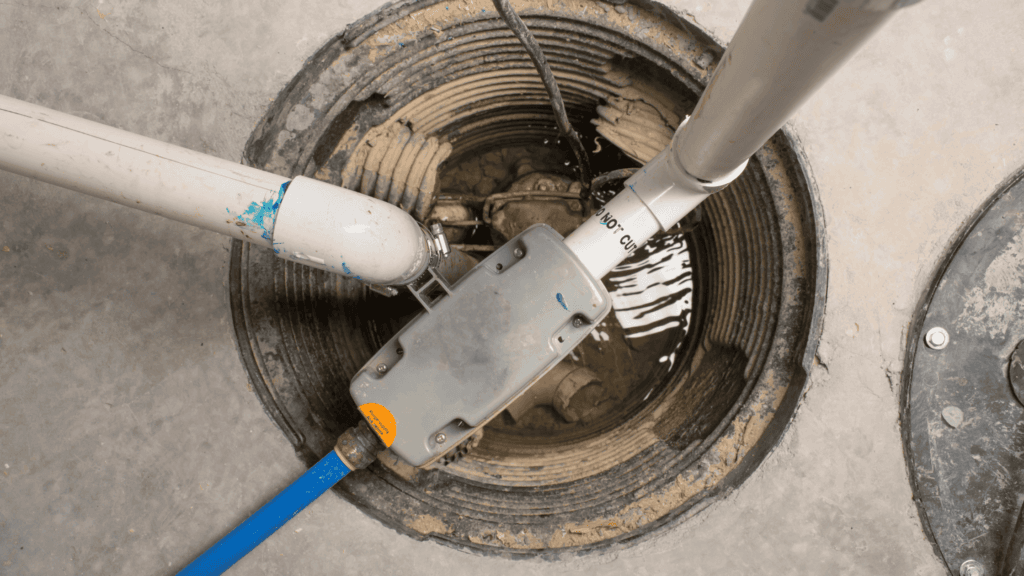
3 Reasons Your Sump Pump Cycling Has Issues November 7, 2023 admin During the rainy spring season in Vancouver, WA, sump pump cycling issues become a concern as your pump works tirelessly to protect your home from excess water. It’s crucial to ensure its proper functioning by scheduling annual servicing with a plumbing expert. Regular maintenance not only enhances your sump pump’s performance but also prevents it from overworking, potentially leading to early failure. While it may seem like your sump pump is running all of the time due to the rain, it really shouldn’t be. Your sump pump should work when it is raining, but when the rain stops your sump pump should also stop. If your sump pump is still working when there is no water to move then you need to call for plumbing service right away. If left unaddressed the sump pump will eventually fail and you will have to pay to completely replace it. It is much better to pay for one plumbing service in Vancouver, VA than to pay for another sump pump. Why Is It Bad If My Sump Pump Constantly Cycles? It’s a great sign if your sump pump is effectively moving water away from your home foundation. But if it is working when there is no rain falling into the pit then something is off with your system. Your sump pump is designed to recognize when water is present in the pit. So if it is still running once the water stops something is malfunctioning. Constant cycling will eventually run out your motor which is why you should pay attention to its cycling pattern and seek out a plumbing service once you notice it never turns off. Over time the constant cycling will result in your sump pump dying before its time. Sump pump installation is not a cheap process, so you want to do all you can to keep your current sump pump working as long as possible. If you suspect that your sump pump is continuously cycling there are three likely reasons. A qualified technician from a plumbing service will check out each area and fix the problem so you can go back to quiet lulls in its function. Broken Check Valve The first culprit is the check valve which is situated above the sump pump near the discharge pump. This one-way valve is responsible for ensuring that water does not come back up the piping and enter the pit. If the check valve is not creating a firm seal to prevent backflow. Then water could in theory be cycling up and down the discharge pipe over and over again. Every time the water enters the pit the sump pump will be triggered to turn on again. Until it is flushed out which could explain why the pump is cycling during dry weather. The first thing a plumbing service tech will do is check to make sure that you have a check valve installed. Because on occasion a homeowner will attempt to install their own sump pump to cut corners and forget to even add this part. Even if the part was installed they do wear out over time. Sometimes simply replacing it is all that you need to do to get the sump pump back to regular function. To do this the tech will remove the ring clamp and replace the component with the properly sized check valve to make sure that it matches the discharge pipe. Issues with the Float Switch The float switch is the most likely reason why your sump pump is continuously running. Since its job is to tell the sump pump when to run. Named because of its function, the float switch is a small float that sits at the base of the pit. When the pit fills with water the pump switch naturally rises along with the water level. Once the arm rises past the set point, it triggers the switch, turning on the sump pump. In theory, the sump pump will then continue to run until the float falls back down with a decreasing water level However, sometimes this doesn’t occur due to a malfunction. Or because the float becomes twisted or stuck in the wrong place. The plumbing service tech will look for the float switch to see if it is the problem. One of the common issues that the float switch arm becomes entangled in the electrical cord of the sump pump cycling. Leading the machine to mistakenly believe there is a high water level. Sometimes the float switch will be at the right level moving up and down. But the switch itself is faulty which is why your sump pump thinks there is water even when there is not. In this case, the plumbing service may suggest that you replace the part, but it can be hard to find an exact match. Depending on the cost of the float switch sometimes it makes more sense to just replace the sump pump. Of course, other factors come into play here too such as the age of your sump pump. Clogged Discharge Pipe Finally, if everything looks okay with the float switch and the check valve. The plumbing service technician will inspect the discharge pipe for a clog. Sediment can build up over time along the pipe causing a clog that traps water and creates a build-up. Clearing the clog should return your system to its natural state. If you suspect there may be a issues with your sump pump cycling, give Pilot Plumbing a call. We will happily come out and inspect your Vancouver, WA sump pump. Social’s Additionally, you can assess the quality of our services and stay updated with our latest projects. Visit our profiles on popular social media platforms such as LinkedIn, Facebook, Instagram, and TikTok. We regularly share engaging content and showcase our work. Giving you a glimpse into the expertise and dedication of our team of plumbers. Previous PostNext Post